
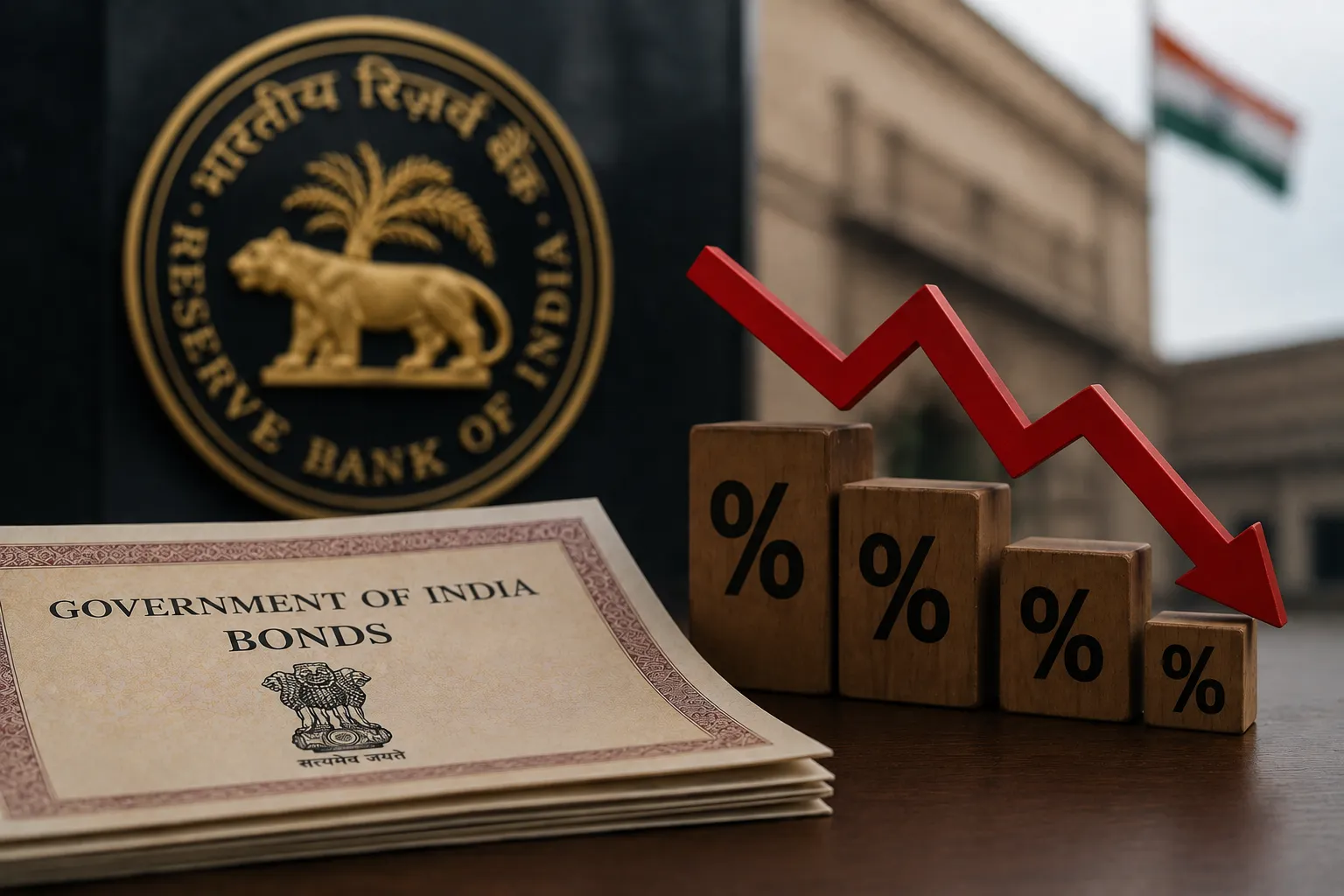
The Reserve Bank of India on Friday advanced the deadline for banks to access its concessional foreign exchange swap facility, catching bond market participants off guard. The facility had been set up to help banks hedge foreign-currency deposits collected from the Indian diaspora at zero cost. The early closure came after inflows from diaspora deposits crossed 52 billion US dollars, a milestone that appears to have prompted the central bank to shorten the window. Banks now have only until August 31 to use the facility, a notably shorter timeline than what was originally planned when the scheme was announced.
The swap facility was part of a broader package of measures that the RBI had unveiled in June to support India's balance of payments position. By allowing banks to hedge diaspora foreign-currency deposits at no cost, the scheme had attracted significant inflows from non-resident Indians and had generated strong demand in specific segments of the government bond market. The early closure, therefore, came as an unwelcome surprise to many traders who had positioned their portfolios around the continued availability of this facility.
Bond Yields Jump Sharply on Monday Morning Session
The immediate market reaction on Monday was a clear pullback in demand for Indian government bonds. The yield on the benchmark 6.94 per cent 2036 bond jumped 3.5 basis points to 6.7909 per cent by 10:45 a.m. IST. Since bond yields move inversely to prices, this rise in yields meant that bond prices had fallen. The move reflected the withdrawal of buying interest that had been supported by the concessional swap facility over the past several weeks.
Traders noted that the 10-year bond yield was unlikely to climb above 6.80 per cent, with value buyers seen defending the 6.7950 per cent level. Despite Monday's selloff, there appeared to be some price support at these levels as investors looked for a floor in the market. Market participants are now waiting for the minutes of the RBI's August monetary policy decision, due on Wednesday, for fresh cues on the direction of interest rates and the central bank's monetary policy stance.
Four to Six-Year Bond Segment Faces Selling Pressure Now
The concessional forex swap facility had channelled a large portion of diaspora deposit inflows into government bonds in the four- to six-year maturity segment. Since banks were using these inflows to invest in bonds after hedging their foreign-currency exposure at zero cost, the demand had been concentrated in this specific part of the yield curve. With the window now shutting earlier than anticipated, traders said these bond segments face increased selling pressure.
A private-bank trader stated that most FCNR(B) inflows had gone into four- to six-year bonds, which could now face strong selling pressure because of the early closure of the swap window. FCNR(B) deposits refer to Foreign Currency Non-Resident Bank deposits, a popular savings instrument for the Indian diaspora that allows non-residents to hold funds in foreign currency in Indian banks. The concessional hedging facility had made it attractive for banks to mobilise such deposits and deploy the proceeds into domestic bonds.

Overnight Index Swap Rates Climb Across All Tenors
The selling pressure was not confined to the government bond market alone. India's overnight index swap rates also moved sharply higher after news of the early closure of the swap window spread through the market. The one-year swap rate rose 5 basis points to 5.78 per cent. The two-year rate climbed 6.25 basis points to 5.9850 per cent. The five-year rate gained 7.75 basis points to 6.3250 per cent.
Traders said the early closure of the facility amplified selling pressure across bond maturities in the overnight index swap market. The simultaneous rise in swap rates across tenors indicated that the market was reassessing its interest rate outlook following the RBI's unexpected decision to shorten the swap window, adding to the overall negative sentiment in fixed income markets on Monday.
Diaspora Inflows Had Boosted Forex Reserves and Liquidity
Even as Monday's bond market reaction highlighted the risks that came with the early closure of the swap window, the broader impact of the diaspora deposit inflows on India's financial position had been significantly positive. India's foreign exchange reserves rose to a four-month high of 707 billion US dollars as of August 7, reflecting the scale of inflows generated under the concessional swap programme.
In addition, India's banking system liquidity surplus tripled to 3.1 trillion rupees in August, up sharply from nearly 1 trillion rupees in July. This surge in liquidity was a direct result of the inflows associated with the swap scheme. While the early closure of the facility has rattled bond investors in the short term, the inflows mobilised under the programme had clearly delivered meaningful benefits to India's reserve position and domestic liquidity conditions before the window was shut.