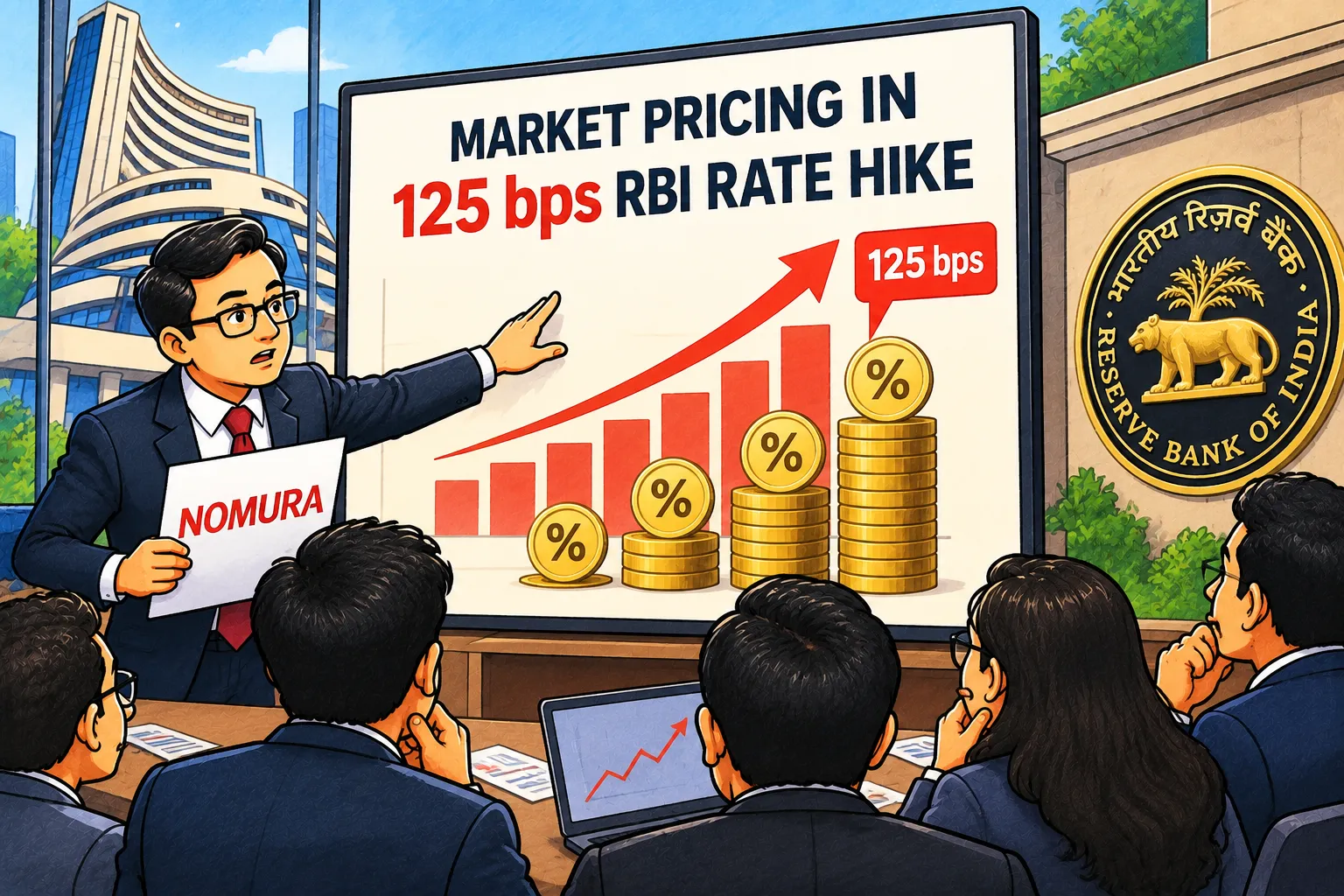
Nomura believes markets are overestimating how aggressively the RBI will raise rates, pricing in 125 basis points of hikes over the next year when the brokerage sees an 80% probability of a much smaller 25-50bps "recalibration" instead.
The Core Argument
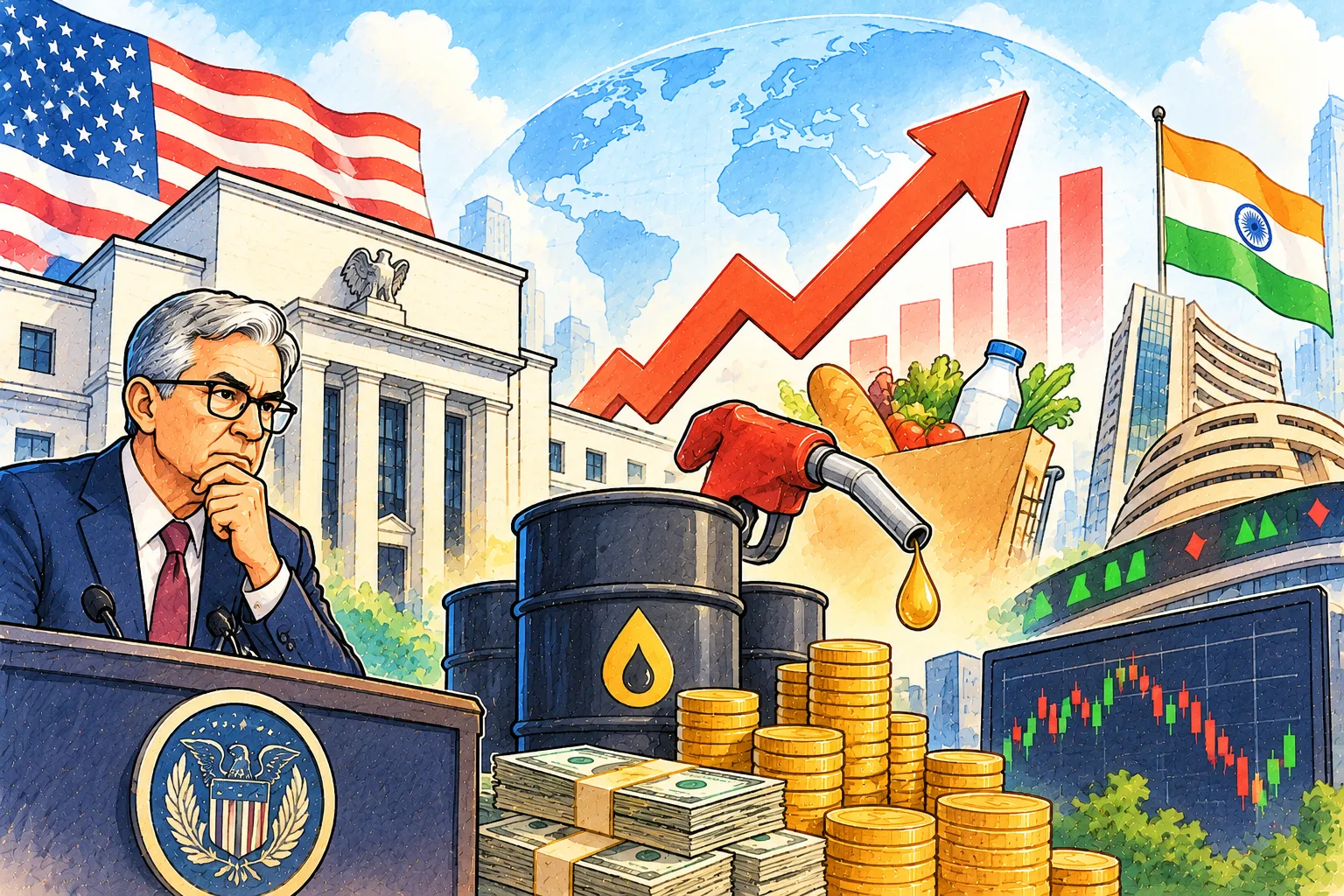
India's monetary policy sits at an inflection point, with higher oil and food prices and expected US Federal Reserve rate hikes putting pressure on the RBI to tighten. But according to a 25 September report from Nomura, markets may be pricing in a far more aggressive tightening path than is actually likely. "Markets are currently pricing close to 125 basis point (bps) of rate hikes over the next one year. Our analysis suggests this is excessive and this cycle is different," Nomura's analysts wrote.
Nomura assigns an 80 per cent probability to a limited "recalibration" cycle of just 25-50bps, rather than a broader tightening cycle exceeding 75bps, arguing there are limited signs of inflation becoming broad-based across the economy. "Given limited signs of generalisation, a tightening cycle is unlikely," the report states, though it adds that a pre-emptive hike would still make sense from a risk-management perspective to keep inflation expectations anchored.
Nomura's Base Case
In its baseline scenario, Nomura expects the RBI to hike by 25bps in each of October and December, taking the repo rate to a terminal level of 5.75 per cent, though it flags some risk of just a single "one-and-done" hike instead. Beyond February 2027, Nomura expects the probability of further increases to diminish, citing a potential consumption slowdown and a softer year-ahead inflation outlook.
Why This Cycle Looks Different
Nomura draws a comparison to 2016-17, when India last saw a comparable disinflationary trend, but argues the underlying drivers this time are different. In 2016-17, falling food inflation was the primary factor. This time, the more significant shift has been in core inflation, which has fallen from around 5 per cent to roughly 3 per cent, a broader and arguably more durable disinflationary signal than a food-price-driven dip.
The Inflation Path Nomura Expects
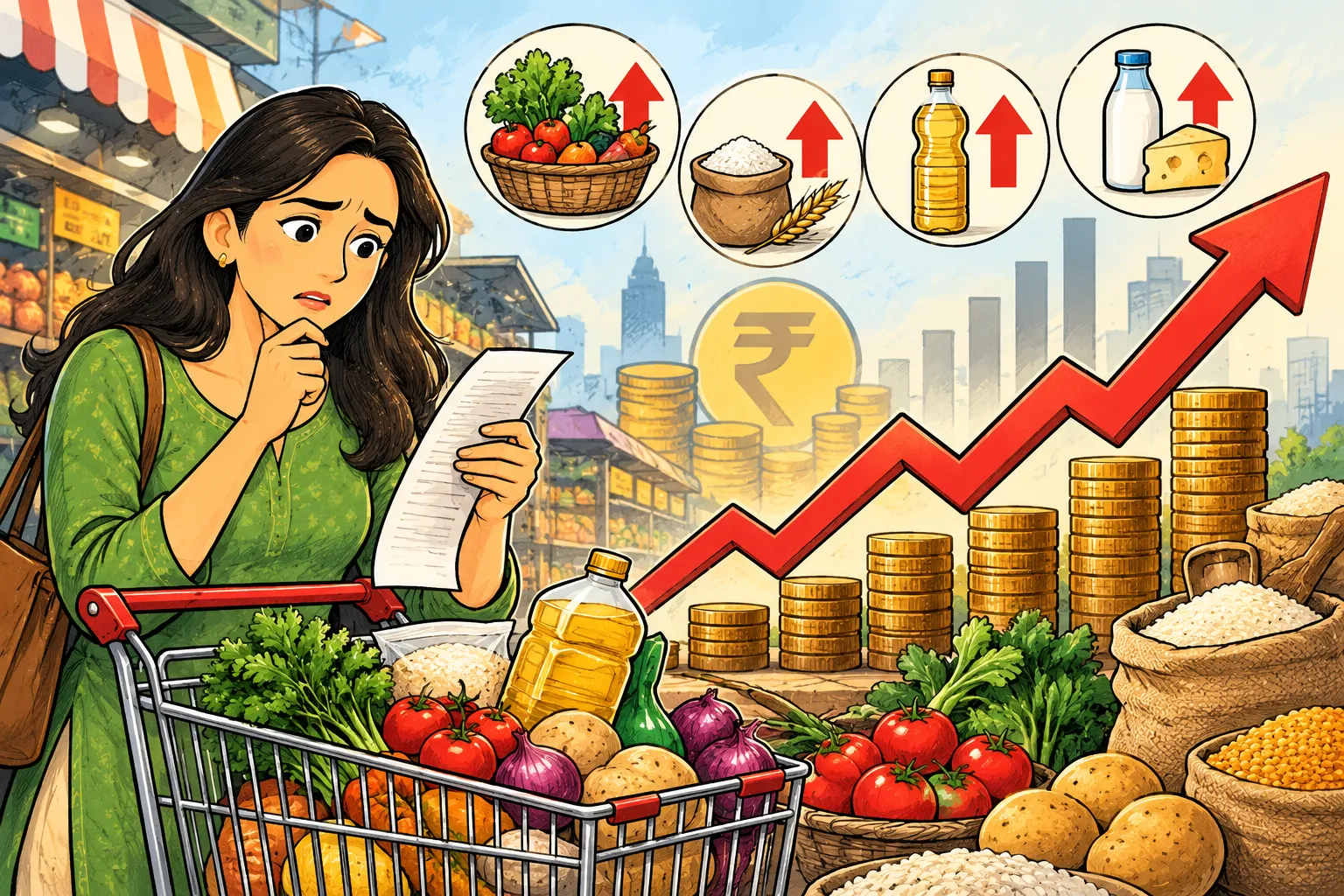
Food prices remain the biggest near-term risk to the outlook, the brokerage said; government supply-side measures could help, but lower crop output poses upside risk to food inflation in the near term. Nomura expects headline CPI inflation to rise from 4.8 per cent year-on-year in August to 6.3 per cent in the fourth quarter, before easing to around 5.3 per cent in the first half of 2027 and falling below 4 per cent in the second half of that year. It estimates adverse base effects could add roughly 0.8 percentage points to headline inflation in October-November alone.

For the full financial year, Nomura projects CPI inflation at 5.2 per cent in FY27 and 4 per cent in FY28, with core CPI inflation forecast at 4.3 per cent and 4 per cent respectively.
Disclaimer: Views, forecasts and rate projections cited belong to Nomura and are not endorsed by this publication; they represent one brokerage's analysis, not certainty about RBI's actual policy path.
Also Read: ₹31 Trillion Wiped Out As 18 Of 50 Nifty Stocks Enter Bear Grip
Why It Matters
The gap between what markets are pricing in (125bps) and what Nomura thinks is likely (25-50bps) is large enough that, if Nomura is right, bond and rate-sensitive equity positioning built around a more aggressive tightening cycle could see a meaningful repricing once the RBI's actual policy path becomes clearer, likely starting with the October review.