
Crude Oil Futures Gain as Hormuz Deadlock Drags On
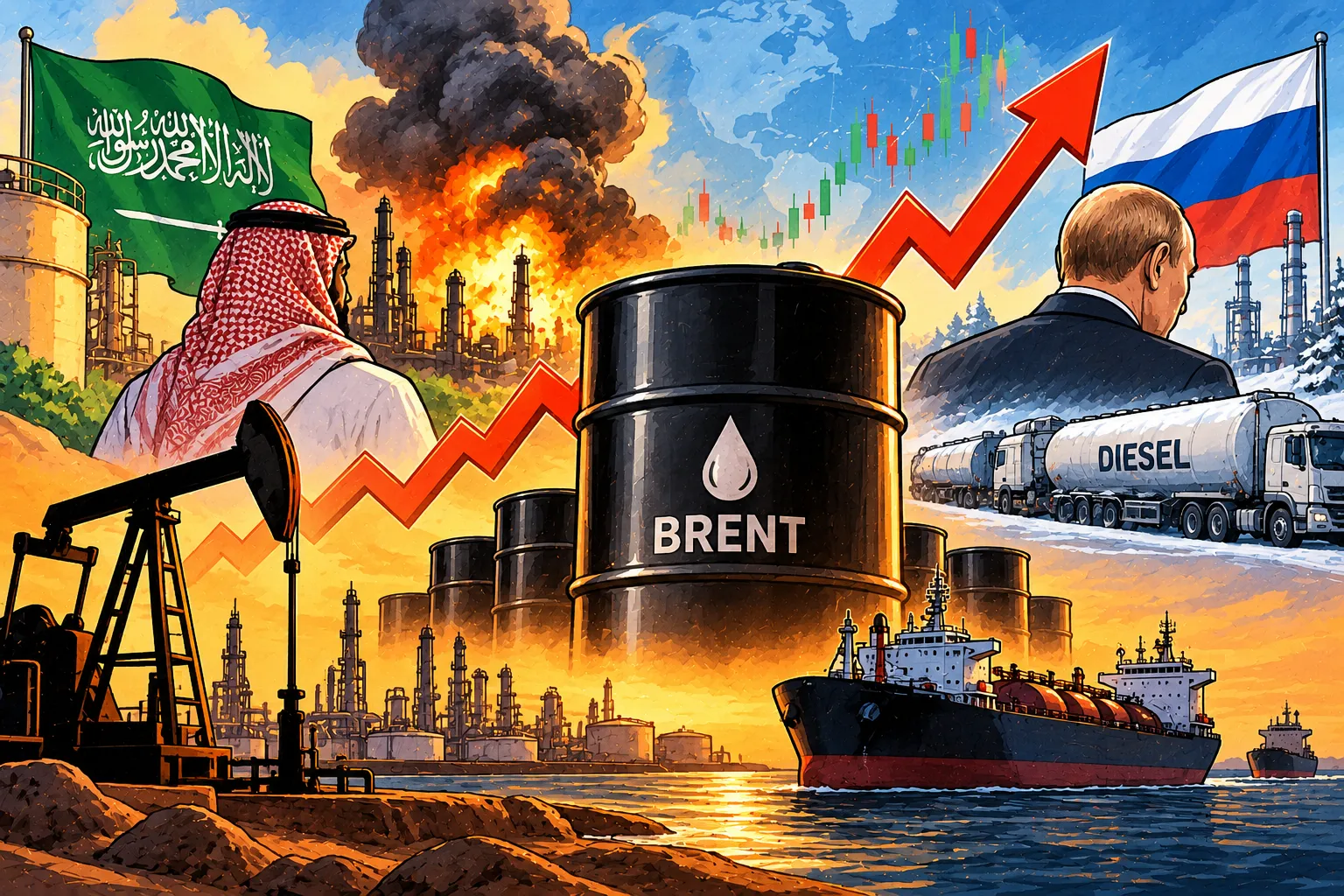
Crude oil futures traded higher on Wednesday morning as the standoff between the United States and Iran over the reopening of the Strait of Hormuz continued without any sign of a breakthrough. The uncertainty surrounding this critical shipping waterway pushed prices upward across both global and domestic markets, keeping oil traders on edge.
The Strait of Hormuz is one of the most important chokepoints in the global energy supply chain. A large share of the world's seaborne crude oil passes through this narrow waterway every day, and any disruption to shipping through it has a direct and immediate impact on oil prices worldwide. With no diplomatic resolution in sight as of Wednesday morning, markets continued to price in the ongoing risk.
Brent and WTI Futures Climb on Wednesday Morning
At 10.03 am on Wednesday, October Brent crude oil futures were trading at $91.65, up by 0.69 per cent from their previous close. October crude oil futures on WTI, or West Texas Intermediate, were at $84.72, recording a gain of 0.79 per cent. Both benchmarks reflected the broader market anxiety stemming from the unresolved geopolitical tension over the Strait of Hormuz.
The upward movement in international crude oil prices was consistent across both major benchmarks, signalling that global oil markets were responding in a uniform manner to the continued uncertainty over the vital shipping route between the US and Iran.
MCX Crude Oil Contracts Also Trade Higher on the Day
Domestic crude oil prices on the Multi Commodity Exchange, or MCX, also moved higher during Wednesday morning trade. August crude oil futures on MCX were trading at Rs 8,192, against a previous close of Rs 8,143, marking a gain of 0.60 per cent. September crude oil futures on MCX were at Rs 8,133, up by 0.56 per cent from their previous close of Rs 8,088.
These domestic price movements mirrored the broader upward trend seen in international crude oil markets. The gains on MCX were directly linked to the geopolitical tensions over the Hormuz Strait, which continued to drive uncertainty among traders and investors dealing in energy commodities both globally and in India.
Trump Says Naval Blockade Is in Full Force and Effect
US President Donald Trump posted on Truth Social stating that there were no talks or conversations ongoing or scheduled with the Islamic Republic of Iran. Trump said the naval blockade remained in full force and effect. He also stated that the Hormuz Strait was open and operating, and that all water mines had been removed or detonated.

Despite these remarks from the US President, uncertainty in oil markets persisted. Iran continued to maintain its own position on control over the Strait of Hormuz, and the gap between the two countries' stated positions remained wide. The lack of any scheduled diplomatic engagement between Washington and Tehran added to market concerns about the pace of any potential resolution.
Iran Asserts Strait Will Open Only on Its Own Terms
Earlier in the week, Iran's Foreign Minister Abbas Araqchi stated that Iran had not decided to resume talks with the United States. Iran had put forward conditions to the US that needed to be met before shipping could resume through the Strait of Hormuz. These conditions, and Iran's firm stance on them, have been a key factor behind the continued deadlock.
Iran's Deputy Foreign Minister Kazem Gharibabadi posted on X that the Strait of Hormuz would be opened and closed only under Iran's command. This statement reinforced the sense that Tehran was not prepared to concede control over the waterway without its demands being addressed first.
Adding to market concerns, a memorandum of understanding that was intended to finalise a peace agreement between the United States and Iran had been signed on June 17. That memorandum expired on August 17, 2026, without a formal agreement being reached between the two sides. The expiry of this document without a resolution deepened worries among oil market participants about the possibility of a near-term diplomatic solution to the crisis.
As of Wednesday morning, there was no indication from either side that negotiations were imminent or that a resolution was close. Both international and domestic crude oil prices continued to reflect this sustained uncertainty, with futures contracts across Brent, WTI, and MCX all trading above their previous closing levels.
Also Read: INR Extends Losing Streak as Oil Prices Stay Elevated