EKI Energy Services has successfully registered its plastic waste reduction project in Bangladesh, Phase I, with Verra, a leading global standards body for voluntary environmental markets. This registration marks a significant milestone for EKI as it expands its environmental services portfolio into a major South Asian market.
The project is notably the first registered plastic waste reduction project in Bangladesh, making it a landmark development for both EKI Energy Services and the country's broader environmental sector. By achieving this registration, EKI has positioned itself as an early mover in what is an emerging area of environmental finance and sustainability management in Bangladesh.
How the Plastic Waste Recovery System Will Work
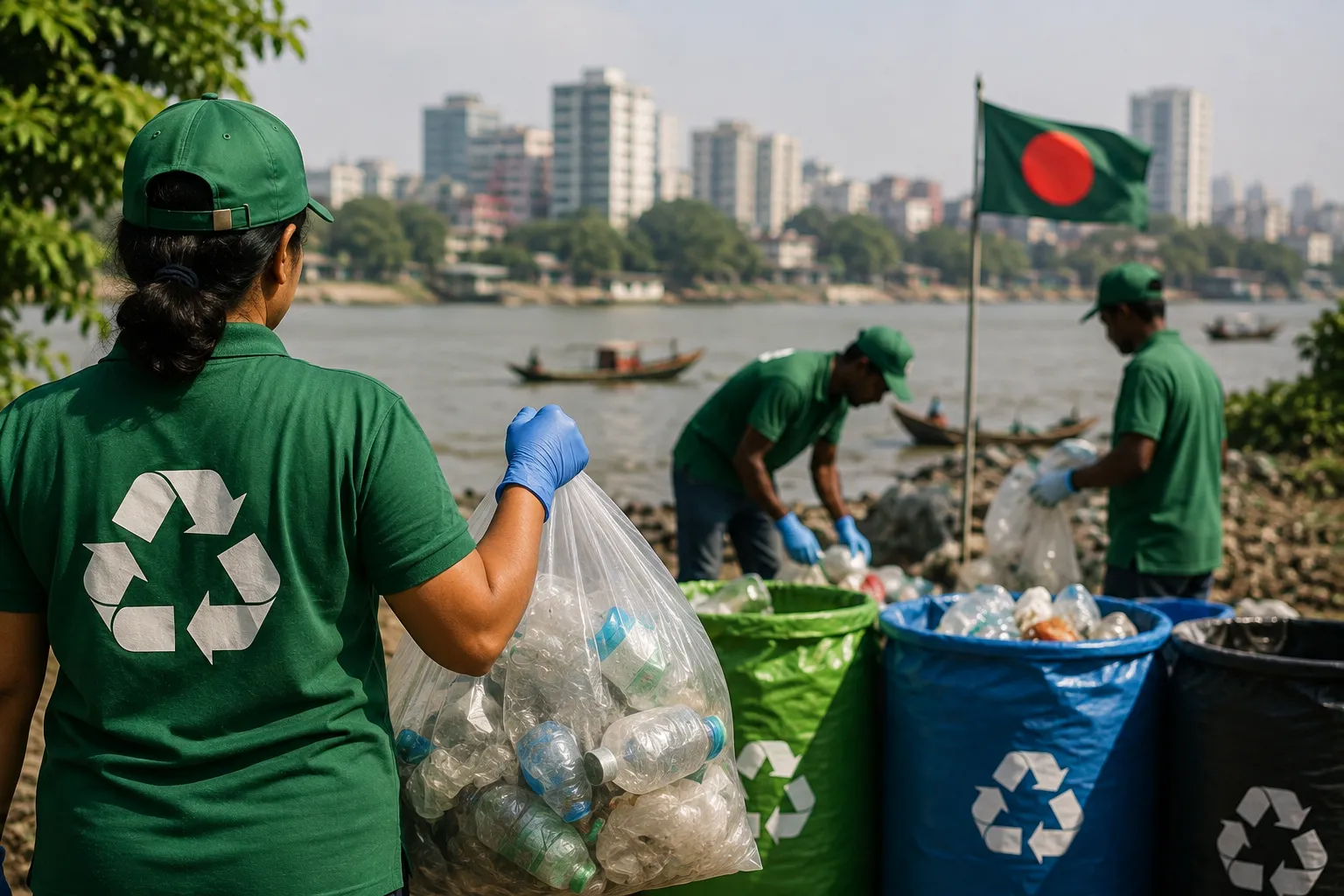
The project focuses on implementing structured approaches to plastic waste recovery across Bangladesh. EKI's initiative is designed to develop more circular material flows, meaning that plastic materials are recovered and reused rather than discarded into landfills or allowed to escape into the natural environment.
The approach targets the entire lifecycle of plastic waste, from collection through to processing. By building a structured recovery system, the project aims to increase the availability of recycled plastic feedstock, which can then be used as raw material in manufacturing processes. This helps reduce dependence on virgin plastic production and supports a more sustainable supply chain for industries operating in and around Bangladesh.
The project's design ensures that valuable plastic materials are prevented from entering rivers, oceans, and other parts of the natural environment, addressing one of the most pressing environmental concerns facing Bangladesh today.
Verra Certification Adds Credibility to EKI's Efforts
The project adheres to Verra's rigorous monitoring, verification, and certification processes. Verra is widely recognised in global carbon and sustainability markets for setting high standards for environmental projects. By following these processes, EKI ensures that the plastic waste recovery activities under this initiative are independently verified and credible.
This verification process is a critical component of the project's overall credibility. It provides assurance to buyers and stakeholders that the environmental benefits being claimed are real, measurable, and additional to what would have occurred without the project being in place. Independent verification of this nature is considered essential in voluntary environmental markets, where the integrity of claimed outcomes directly affects the confidence of market participants.
Plastic Credits as a Market-Based Financial Instrument
One of the key outputs of the registered project is the generation of Plastic Credits. These credits are created when a specific quantity of plastic waste is collected and processed under the certified programme. Plastic Credits function as a market-based instrument that helps organisations demonstrate their commitment to reducing plastic waste in their supply chains or operations.

By generating Plastic Credits, the project helps increase the financial viability of plastic waste collection in Bangladesh. This creates an economic incentive for waste collectors and recyclers to recover more plastic, which in turn helps prevent valuable plastic materials from leaking into rivers, oceans, and landfills. For companies looking to meet sustainability commitments or offset their plastic footprint, these credits offer a credible and verified mechanism to do so.
The ability to monetise plastic waste recovery through Plastic Credits is expected to make the project model attractive and replicable in other parts of Bangladesh and potentially other South Asian countries.
Bangladesh Expansion Fits EKI's Broader Growth Strategy
Bangladesh represents a strategically important market for EKI's expansion in South Asia. The country faces significant plastic waste challenges due to its large population, rapid urbanisation, and growing consumption patterns. At the same time, formal plastic waste management infrastructure remains underdeveloped in many parts of the country, creating both a challenge and an opportunity for organised players like EKI.
EKI's entry into this market through a Verra-certified project positions the company as an early mover in Bangladesh's formal plastic waste management sector. The Phase I designation in the project name suggests that EKI may look to expand the scope or scale of its plastic waste activities in Bangladesh in subsequent phases, depending on outcomes and learnings from this initial registration.
This registration is also part of EKI Energy Services' broader strategy to expand its environmental project portfolio across emerging markets. The company has been active in carbon and sustainability markets, and this move into plastic credits in Bangladesh represents a meaningful diversification of its environmental service offerings. For now, Phase I marks the formal beginning of EKI's plastic waste reduction journey in Bangladesh.
Also Read: United States likely to emerge as India’s top LPG supplier: OPEC